Pages

Friday, February 4, 2022

Omicron and COVID pills – the beginning of the end?

 Omicron variant

Omicron is the current dominant COVID-19 variant across the globe and in only a few weeks has even outcompeted Delta in the USA. As of January 4th, 2022, omicron is now estimated to be 95% of new case counts. As the newest COVID variant blazes across the country and the world, by some metrics the pandemic is as out of control as ever. Average daily case counts are at an all-time high, with an exponential increase over the past few weeks. While it is still too early to tell because hospitalizations and deaths trail case counts by a few weeks, those figures have increased at a much slower rate.

Saturday, May 8, 2021

Vaccines, Variants, and a Herd (Immunity) of Tigers, Oh My!

After over a year of worldwide shutdown due to the COVID-19 pandemic, the end appears near. Over 1.2 billion doses of vaccine have been distributed worldwide, including over 250 million in the United States. The pandemic is nowhere near over, however, and it is likely that COVID will never actually disappear but instead become endemic, like the flu. There are currently three vaccines authorized for emergency use in the United States, with another widely used in Europe and currently under Food and Drug Administration (FDA) review. Despite the encouraging progress on vaccination, many public health officials are concerned that the global vaccination effort is in a tight race against the potentially dangerous evolution of the SARS-CoV2 virus that causes COVID-19. After all, with more infections comes more opportunity for viral mutations. This post will discuss the available COVID-19 vaccines, the emerging variants, and what we know about the sustainability of immunity.


Background

In order to appreciate the differences among vaccines, an understanding of the “central dogma” of molecular biology is necessary. The central dogma summarizes how genetic information becomes functional molecules that impart function to a cell. The centra dogma is as follows:

DNA -> RNA -> Protein

DNA is the genetic code of an organism – aside from random mutations, DNA is identical in every cell in your body, and contains every gene that every cell may ever need. What determines whether a particular cell is a skin cell or a liver cell or a heart cell, for example, is the “expression” of particular genes. Gene expression means the selective coding of particular DNA gene sequences as a template to create RNA in a process called transcription. This RNA, known as messenger RNA or mRNA, is then used as a template for a sequence of protein building blocks in a process known as translation. Completed proteins then carry out various functions that define the cell type. Figure 1 presents a diagram demonstrating this process. DNA is much more stable than RNA or proteins, which is why it serves as the permanent genetic template for every cellular function in your body. RNA and proteins can be easily degraded and therefore must be replenished to continue carrying out their functions.

Figure 1: The central dogma of molecular biology (Source: Khan Academy)
 

Traditional vaccines work by exposing the immune system either to the pathogen (disease-causing virus or bacteria) itself or a surface protein from the pathogen that can be recognized by the immune system to protect against the actual infectious agent. The surface protein or protein segment recognized by the immune system is called an antigen. The first two approved vaccines, by Pfizer-BioNTech and Moderna, utilize a new technology that relies on RNA instead of traditional methods. This RNA strand contains the cellular instructions for an antigen of SARS-CoV2, the spike protein, which helps the virus bind to cells. The other two broadly available vaccines are by AstraZeneca and Johnson & Johnson. These vaccines use a viral vector (adenovirus) containing DNA coding for the same spike protein (although the specific sequences may differ). The adenovirus (which is not able to replicate) then injects individual cells with this DNA. While use of viral vectors is also relatively new, unlike RNA vaccines they have been used for previous outbreaks such as Ebola. Essentially, all these vaccines work similarly by utilizing the molecular sequences that code for the protein antigen, differing primarily by whether they rely on the DNA or RNA step in the central dogma. All except Johnson & Johnson involve a 2-shot regime. As stated above, DNA is much more stable than RNA, which is why the two mRNA vaccines must be stored at freezing temperatures while the Johnson & Johnson vaccine can remain indefinitely in a refrigerator.


Wednesday, April 28, 2021

Blood clots from the COVID vaccine... a real concern, or statistical noise?

Back in March, several European nations paused use of the AstraZeneca vaccine based on concerns about case reports of blood clots in recently vaccinated individuals. The specific blood clots formed in several of the patients were a rare and dangerous type of clot known as cerebral venous sinus thrombosis (CVST), resulting in strokes and occasionally seizures in patients. Whether in the brain or elsewhere, these blood clots were especially unusual because they were associated with low platelets (a condition known as thrombocytopenia) and sometimes bleeding. Even more concerning, the specific blood clot formed in many of the patients was. The same phenomenon was later observed with the Johnson & Johnson vaccine, resulting in a pause in the US in mid-April. Interestingly, almost all of the cases were identified in younger females aged 18-48 (although one case in a younger man has since been reported, as well as an earlier male case during clinical trials).

Monday, June 29, 2020

CFR, IFR, and You: What is the true COVID-19 death rate?

Approximately 6 months off from the official start of the COVID-19 outbreak in China (although the actual start of the outbreak is debated) and over 3 months from the initial nationwide shutdown in the United States, there is much uncertainty as to the true mortality rate of the disease. It is first important to define terms, as there are different types of “mortality” or “fatality” rates.


Defining Case Fatality Rate vs. Infection Fatality Rate

As shown in Figure 1, the reported number of COVID-19 cases does not necessarily represent the true number of infected individuals. The confirmed number of cases (positive tests for active infection) is smaller than the number of probable infected (sick patients believed to be infected based on symptoms and likely exposure but who never received a diagnostic test), which is smaller than the actual number of total infected individuals.

Figure 1. Relationships between measured number of COVID-19 cases via different metrics and number of deaths (not necessarily to scale)


A case fatality rate(CFR) is the proportion of deaths from a disease compared to the number of people diagnosed.


An infection fatality rate (IFR) is the proportion of deaths among all infected individuals, in other words the true fatality rate. While related to the CFR, an IFR attempts to estimate the mortality rate including non-diagnosed cases (e.g. not tested, asymptomatic). An IFR should be lower than the CFR, since the denominator would be expected to be larger.

 
Visually, these can be represented as shown in Figure 2 below, based on the relative differences in confirmed vs. total cases as shown in Figure 1. Note that deaths can be scored as either confirmed deaths or probable deaths. As testing becomes more widespread, the difference between “confirmed” and “total” infected shrinks, as does the difference between CFR and IFR.

Figure 2. Visual representation of Case Infection Rate (CFR) and Infection Fatality Rate (IFR)

Sunday, January 12, 2020

Going Vape Shit Over E-cigarettes

Vaping History and Use
According to VapingDaily.com, vaping is “the act of inhaling vapor produced by a vaporizer or electronic cigarette. The vapor is produced from a material such as an e-liquid, concentrate, or dry herb.” An important distinction from traditional “smoking” is that vaping refers to breathing in heated water vapor, NOT the incineration products of a burning reaction. The earliest form of vaping traces all the way back to 440 BC, with stories of people inhaling the resulting vapor from marijuana placed onto hot stones. The hookah, invented in 1542, is also analogous to vaping. The first true vaporizer was invented by a Korean war veteran in 1962, although the idea for an e-cigarette comes from 1927. The modern e-cigarette was created by a Chinese pharmacist in 2003.


E-cigarettes (or “vapes”) work by using a battery to heat up vaping material until it becomes an inhalable vapor. While waxy concentrates and dry herb can be vaporized as well, vapes typically utilize an easily vaporizable liquid such as propylene glycol or vegetable glycerin. Flavoring and drugs, typically nicotine, can be dissolved within this liquid for easy inhalable delivery to the user upon heating. Often, the dissolved drug is nicotine. The presence of nicotine in these cigarettes is both functionally useful and problematic, depending on the user. Vapes come in many sizes, styles, and options (Figure 1). These options include various accessories and cartridges that may contain flavoring or recreational drugs.

Nicotine in E-cigarettes
E-cigarettes can serve as an effective smoking cessation method. Use of nicotine e-cigarettes resulted in 7% of regular smokers remaining abstinent from smoking after 6 months, slightly higher than the rate from nicotine patches (5.8%) and higher still compared to e-cigarettes without nicotine (4.1%). Additionally, while the toxicity of vapes can vary depending on what they contain and the mechanics of heating, the UK government declared in 2015 that use of e-cigarettes is approximately 95% less harmful than traditional cigarettes. Heating of vape liquid can result in exposure to various carcinogenic metals and other toxic compounds, however vaporization is likely to produce much less harmful volatile organic compounds than traditional cigarettes. This is likely due to both the absence of tobacco and reduced release of chemical degradation products that would be produced from burning.

Vaping has been on the rise for the past several years, especially among young people. According to Pew Research (Figure 2), the percentage of 12th graders who report having vaped at least once in the past month doubled from less than 14% to 27% between 2016 and 2018. A similar trend was presented in a study by the New England Journal of Medicine, which reported prevalence increases from 11.0% to 25.4% among 12th graders between 2017 and 2019 (Figure 3). While the inclusion of nicotine in e-cigarettes can be beneficial for current smokers aiming to quit, it is obviously problematic for young non-smokers. In addition to promoting nicotine addiction in general, there is evidence that e-cigarette use is associated with a much greater likelihood to begin smoking traditional cigarettes as well (however this association cannot establish a causal relationship).

EVALI outbreak and causes
Beyond only these concerns, 2019 brought a very concerning spike in e-cigarette or vaping product use-associated lung injury, formally coined as EVALI. As of December 27, 2019, EVALI has resulted in 2,561 hospitalizations and 55 deaths. While cases have been gradually increasing since 2017, there was a sudden outbreak beginning in June 2019 prior to a decline in new cases as of September 2019. As described above, modern e-cigarettes have been in use since 2003. Based on this timeline, what could have been the cause? Could it simply be due to the rapid increase in prevalence of use (Figures 2-3), or did something change about either the e-cigarettes themselves or their content?

Figure 2: The percentage of 8th grade, 10th grade, 12th grade, and college students who self-reported vaping during the last month. The highest rate exists among 12th graders, however all grades increased at a similar rate between 2016 and 2018. Source: https://www.pewresearch.org/fact-tank/2019/09/26/vaping-survey-data-roundup/
Figure 3: Prevalence of nicotine vaping among adolescents over different time intervals. Results are presented for 2017, 2018, and 2019. Source: https://www.nejm.org/doi/full/10.1056/NEJMc1910739

An important consideration in discovering the cause of the outbreak was the fact that the outbreak was restricted to the United States, despite being used throughout the world. This suggested that the source of EVALI was not inherent to e-cigarettes overall, but must be something that is specifically being used in the United States. A CDC investigation found that the vast majority of EVALI cases were associated with products containing THC, the active ingredient in marijuana that makes you high. The presence of the chemical vitamin E acetate was a common component in the e-liquid of these THC-containing vapes. Researchers also identified vitamin E acetate in the lung fluid of 94% of examined patients, compared to 0% of controls. Vitamin E is naturally found in foods and also can be useful as a supplement (despite some risks), however the acetate form appears to be the cause of lung toxicity from vaping when inhaled.

Targeting to Youth
As would be expected, the majority of THC vapes are purchased off the black market and therefore are likely not subject to much quality control or oversight. Black market products are most likely to be used by youths who do not have legal access to legal products. Therefore, EVALI is even more concerning in that it is likely to affect children. Even certain legal products are more likely to be used by younger customers, including those who may have not otherwised smoked. Even though many of the major e-cigarette companies now claim that their products are only for adults, the use of social media advertising and fun flavors suggests that targeting youths was at least once an active strategy.

As discussed above, e-cigarettes may have actual health benefits for adult smokers and remain a potentially safer recreational option for all adults. However, in response to the EVALI outbreak and the rapid increase in youth usage, the FDA and local health departments have been under strong pressure to more regulate vaping access overall. San Francisco completely banned the sale of e-cigarettes to anyone beginning in 2020 and other localities are likely to follow. Most recently, President Trump announced on the last day of 2019 that he was planning to ban all e-cigarette flavoring except tobacco and menthol. Allowing these two flavors to remain, especially menthol, was a compromise in favor of both vape shops as well as adult customers who claim they are trying to get away from the tobacco smell and flavor. Time will tell whether this partial ban will adequately minimize youth vaping, however any regulation cannot prevent access to black market products.

For an interesting discussion with some more details on the issue from a nuanced perspective, I highly recommend the Freakonomics podcast episode about vaping regulation. The podcast additionally dives into some of the nuances of previous and existing FDA regulation of e-cigarettes, and how that actually restricts the ability of vape companies to advertise only as a smoking cessation aid.

Thursday, January 3, 2019

Love Has No Labels, but GMO Foods Soon Will: The National Bioengineered Food Disclosure Standard


The relative benefits vs. risks of widespread bioengineered crops and other food sources is an often aggressively-debated issue between scientists, the agricultural industry, and consumers. Genetically Modified Organisms, or GMOs, are defined by the European Food Safety Authority as “an organism in which the genetic material has been altered in a way that does not occur naturally through fertilization and/or natural recombination. GMOs may be plants, animals or micro-organisms, such as bacteria, parasites and fungi.” “Genetic Engineering” (GE) is an alternative term used to refer to the manipulation of these species at the DNA level to produce or promote particular traits. GE crops are thus “genetically engineered”. There has been public resistance to the proliferation of GMO food, despite organizations such as the American Medical Association (AMA) and the American Association for the Advancement of Science (AAAS) declaring that genetically engineered foods do not present any appreciable risks.  Nonetheless, a large majority of Americans are in favor of GMO labeling in food products. While the AMA, AAAS, and other scientific organizations argue that GMO labeling will inappropriately imply that GMOs cause harm, consumer advocacy groups contend that people have a right to know what they are eating.

Sunday, July 8, 2018

Ignore At Your Own Risk: A Risk Management Perspective on Climate Change

Gallons of digital ink has been spilled discussing and debating the legitimacy of concerns over climate change and global warming. Unfortunately, like many internet debates, both sides of the argument at times rely on emotional arguments, unrealistic assumptions, and overly simplistic outlooks, with a noticeable lack of nuance. While there is overwhelming scientific consensus that global climate is definitively warming, this alone provides only a small part the story. The Earth is indeed warming, but so what? Does it matter, and if so what are possible solutions?

Global warming has environmental, economic, and societal impacts. The projections of the specific timing and severity of those impacts result in a wide range of values, however. Given this, How can we pinpoint the required industrial and societal changes necessary for reducing those impacts if we cannot precisely quantify those impacts in the first place? An effective climate change policy must account for numerous scientific and socioeconomic uncertainties that are likely to substantially affect both the costs and benefits of any policy action.

Sunday, November 5, 2017

2017 Nobel Prize Winners

The 2017 Nobel Prizes were recently awarded in early October. Annual Nobel Prizes are awarded for achievement in Physics, Chemistry, Physiology/Medicine, Economics, Literature, and Peace.

Tuesday, June 27, 2017

Trisodium Phosphate in Food: How I Learned to Stop Worrying and Love Paint Thinner

A recent internet freak-out that may have passed under the radar for many out there concerns the presence of a potentially toxic food additive in cereal that is also found in paint thinner and cleaning agents.
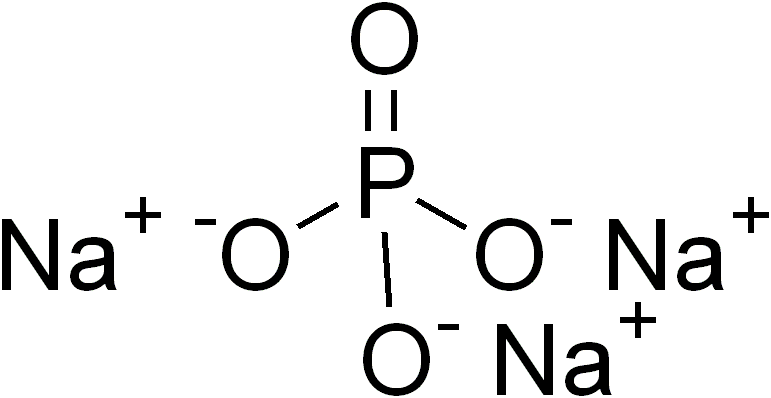
The ingredient in question is Trisodium Phosphate (TSP), a salt compound with many diverse uses including paint thinning, cleaning, other degreasing, and removing oxidized metal for soldering. Interestingly, and the source of controversy, TSP is also used as a food additive and a nutritional supplement for exercise.

While this conspiracy theory originally dates back to at least 2014, it has recently made the rounds on social media within the past month. Despite being thoroughly debunked by Snopes the meme continues. This serves as just a single example of an ongoing chemophobia – distrust of anything seen as an unnatural “chemical” – among esteemed internet dietary experts.

Much of TSP’s functionality comes from its strong basicity, as it has a pH=12 as a 1% solution. Its basic properties will promote reaction with fatty acids through saponification, breaking down grease and oil and thus serving as a cleaner and degreaser (or paint thinner). These functionalities also make it useful as a food additive, as its saponification ability is useful in cheese sauces and it can prevent acidification of food. It also prevents moisture buildup and has some antimicrobial properties. Interestingly, it is also used as an exercise enhancer, presumably due to the need for phosphates in aerobic metabolism.

While TSP use has dwindled due to phosphates being recognized as a major contributor to eutrophication (promoting algae growth in water bodies), it is “Generally Recognized As Safe” for human consumption by the US Food and Drug Administration. It can be very corrosive at high concentrations due to its basic properties, however there is no substantial evidence of long-term effects at low doses for TSP or other phosphates.

It is only natural (get it) to be concerned when a chemical involved in industrial processes appears in our food. However while in this case the food additive is in fact the active ingredient in cleaners/degreasers and not merely an unrelated component, it is the concentration and context that matter. The basicity and phosphate chemistry of TSP make it a useful compound for a diverse set of functions, however the chemical reactions necessary for those functions are restricted by the specifics of the chemical concentration, media, and form. It is often the important nuances and details that are left out of a tweet or meme.

Tuesday, February 21, 2017

How Effective is Hand Sanitizer?

There are a few standards that everyone keeps on them in their bag. Moisturizer, chapstick, and a bottle of hand sanitizer. Hand sanitizer, with Purell being the eponymous brand name, is available in many public buildings, and some people use it following every touch of a door handle. Purell is a watery gel that is rubbed into one’s hands as a sanitizing agent in lieu of available soap and water. There are different types of hand sanitizer, but the active ingredient in Purell and many common brands is simply ethanol, which universally kills bacteria by dissolving their cell membrane and destroying proteins.

While hand sanitizer is known to be very effective at killing bacteria, for some people it serves as more of a security blanket in response to any and all skin contact. 
The question is, does the availability of hand sanitizer provide a false sense of sanitation?

Wednesday, October 26, 2016

Fracking - Cracking the Code, and Passing Gas

Fracking is an industrial process for extracting natural gas and oil from previously untapped reservoirs in solid ground. The relative value of its benefits and drawbacks has been greatly debated among politicians, news media, and academia. On one hand, fracking has greatly increased the domestic supply of natural gas and oil, contributing to a global decline in prices and promoting U.S. energy independence. Critics, however, point to evidence of serious health concerns and major pollution/contamination risks.

What is Fracking?
Hydrauling fracturing, or “fracking”, involves the pumping of fluid at high pressure deep into wells in order to crack the rock (typically shale) open and release trapped energy-rich natural hydrocarbons (gas and oil). Fracking wells are first drilled vertically down and then horizontally through the target shale deposit, followed by well encasement and subsequent pumping of fracking fluid. Fracking fluid is primarily water, but also includes supportive chemicals as well as proppant. Proppant can be either sand or tiny ceramic balls that fill the cracked rock and help keep the fissures open for extraction of gas/oil. Once the pressure is turned off, the released gas/oil along with other minerals travel up the well and are extracted.

A short video explaining the process of fracking

Wednesday, July 6, 2016

How to Edit Genes (Using CRISPR)

Check out my summary of CRISPR, the molecular biology technique currently revolutionizing genetic engineering:

I wrote this article as a guest column for the blog Infective Perspective. Please check out other posts there as well!

Tuesday, May 3, 2016

Obama's "Moonshot" to Cure Cancer: Apollo 11, or Apollo 13?

           During his final State of the Union address in January 2016, President Obama announced a plan to invest $1 billion toward a “moonshot” attempt at curing cancer. While the details of the plan are rather broad and ambiguous, it essentially provides increased funding for existing research efforts with an emphasis on data sharing and collaboration. While the biomedical research community will gladly welcome any funding increase amidst an ever-decreasing public investment in research relative to inflation, not all scientists are rushing to praise this initiative.

          The moonshot initiative includes a substantial funding increase for cancer research at both the National Institutes of Health (NIH) and the Food and Drug Administration (FDA) along with additional support for efforts at the Department of Defense and Veterans Affairs. Research areas of interest highlighted by the initiative are: vaccine development, earlier  cancer screening/detection, immunotherapy, pediatric cancers, and genomics. As previously mentioned, another big focus is to consolidate various efforts not only among government agencies but also between distinct cancer researchers and labs. An overall summary of the plan’s goals can be found here.

Monday, January 25, 2016

Like Cures Like: Assessing the Claims of Homeopathy (In Rapid Succussion)

What is homeopathy?
          Homeopathy was first described in a book written by Samuel Hahneman in 1796, based on the central tenet that “like cures like.” This form of alternative medicine utilizes extreme dilutions of chemicals – usually natural – as therapeutic agents for symptoms and conditions often caused the original source of the substance (for example, arsenic as a cure for severe pain). Homeopathic solutions are prepared by diluting substances many orders of magnitude in either water or ethanol and vigorously shaken (known as succussion). Several rounds of dilution and succession are repeated until the desired dilution has been reached. This repeated process of succession and diution is known as potentisation. Homeopathic dilutions are logarithmic in scale, meaning that each round of potentisation is diluting the substance by 10-fold (Table 1). 

Sunday, November 15, 2015

2015 Nobel Prizes!


The 2015 Nobel Prizes were recently awarded.  Annual Nobel Prizes are awarded for achievement in Physics, Chemistry, Physiology/Medicine, Economics, Literature, and Peace.

Sunday, October 4, 2015

The 21st Century Cures Act: Is it an overall positive?

The below article is published in the Fall 2015 issue of the National Institutes of Health -NIDDK newsletter "The Informer"

In a rare showing of bipartisan collaboration, on July 10th the U.S. House of Representatives passed the 21st Century Cures Act by the substantial margin of 344-77. The 21st Century Cures Act is a large bill that is subtitled as “an act to accelerate the discovery, development, and delivery of 21st century cures, and for other purposes.” According to the U.S. House of Representatives Energy and Commerce committee where the bill was drafted, the goal of the Cures Act is to streamline the process from drug discovery to development and ultimately delivery to patients. The Act promotes scientific research on deadly diseases and attempts to reduce regulatory hurdles in bringing new drugs to market.

In an era of ever-decreasing federal research funding, the bill offers a welcome boost to the research community, allocating $8.75 billion in research funds to the NIH over 5 years and an additional $550 million to the FDA. Not all scientists are in favor of the bill, however. The Cures Act aims to expedite the regulatory approval process for drugs by the FDA. As a means to this end, the bill promotes drug approval based on less rigorous clinical trials, biomarker readouts as opposed to clinical end points, and even non-quantitative anecdotal evidence in some cases. It also further reduces the rigor and objectiveness of medical device approval, which is already more lenient than the drug approval process. In the name of accelerating innovation, the bill attempts to streamline existing bureaucratic barriers to drug development and public release. However, while the bill does contain a section dedicated to “reducing administrative burdens of researchers”, it also adds additional unnecessary bureaucracy by requiring individual review by NIH institute directors of all awarded R-series grants and creating several instances of redundancy with programs or directives already in place at the NIH.  

While there are some potentially troubling issues with this bill, it is refreshing to see Congress finally recognizing the need for additional biomedical research funding. The Senate is now debating the bill and drafting their own version, but the upcoming budget debate may define whether the Cures Act is even passed this year. Assuming the 21st Century Cures Act becomes law, it will be several years before its full effects will be known. In the meantime, it is important to continue evaluating the potential long-term outcomes of this bill for everyone affected.

Wednesday, August 26, 2015

My Chemical Romance: Natural Is Not Always Better

The Free Dictionary defines ‘chemical’ as “a substance with a distinct molecular composition that is produced by or used in a chemical process”. However, based on the word’s usage by many people such as health bloggers and environmentalists, it has become synonymous with “unnatural”, “additive”, “unhealthy” and most simply, “bad”.

The food industry today loves to advertise products as being “natural” with “no added chemicals”. This is especially true for the organic food industry, whose fearmongering about toxins in everything has eeven expanded to non-edible products! There is no clear standard for what constitutes a toxin however, and any molecular compound whether naturally-existing or artificial is by definition a chemical. The ambiguity of terms such as “natural” and “toxins” allows health food peddlers to define these words as best promotes their products.  The organic and homeopathic industries vilify scientifically-validated biomedical achievements such as vaccines and GMOs (genetically-modified foods, see my blog post on GMOs for more details) for containing potentially dangerous “toxins”. Ironically, organic food often contains higher incidences of ACTUAL biological toxins and pathogens from increased bacterial and fungal load due to their proudly-advertised natural farming practices. Additionally, organic farming produces substantial environmental pollution that can be more damaging than traditional means.

Tuesday, January 6, 2015

The Star"buck"s Stops Here: What is the Role of Coffee/Caffeine on Long-Term Health?

            The market for coffee sales in the United States alone is $18 billion, owing to the fact that over 50% of Americans drink coffee daily, and the average coffee drinker consumes 3.1 cups of coffee per day.  Coffee consumption has sharply increased worldwide over the past several decades (Figure 1), although it has surprisingly decreased dramatically in the United States (Figure 2). 
Figure 1: Worldwide coffee consumption in weight by decade (www.unctad.info) .

Figure 2: Volume of coffee consumption in the United States by year www.marketwatch.com) .
            With so much recent focus on trendy nutritional regimens and the popularity of “chemical”-free diets such as gluten-free and organic, it is surprising that there has not been a greater public interest in the health effects of coffee.  Should we be drinking more, or drinking less? Fortunately, several studies have been performed assessing the association between coffee consumption and mortality.  While all of these studies exhibit the caveat of only evaluating correlations and not causal relationships, meaning that some other associated variable may actually be responsible for the observed effects (known as a cofactor), they can still provide useful information. 

Monday, October 20, 2014

2014 Nobel Prizes Awarded!

The 2014 Nobel Prizes were recently awarded.  Annual Nobel Prizes are awarded for achievement in Physics, Chemistry, Physiology/Medicine, Economics, Literature, and Peace.

The Nobel Prize in Physics was awarded jointly to Isamu Akasaki, Hiroshi Amano and Shuji Nakamura "for the invention of efficient blue light-emitting diodes (LEDs) which has enabled bright and energy-saving white light sources".  While LEDs have existed for half a century, the creation of the blue-emitting LED when combined with either existing red and green LEDs or phosphor excitement allows the production of bright white light that is far brighter and more efficient than previous lighting technology. The development of blue LEDs was a long process, and the laureates’ updated work was presented through a series of publications over the course of 5-10 years. Both a general and a more scientific overview of the technology and its creation can be found at the Nobel Prize website. 
         
                                                                                                                  
The Nobel Prize in Chemistry was given to Eric Betzig, Stefan W. Hell and William E. Moerner for improving optical microscopy beyond the previously believed limit to the nanometer scale.  This feat was achieved by two independent methods, stimulated emission depletion (STED) microscopy by Stefan W. Hall, and single-electron microscopy by Eric Betzig and William E Moerner. STED creates high-resolution images by detecting fluorescent light with a nanoscale-width laser as all surrounding area is quenched.  Single-electron microscopy works differently, by weakly activating fluorescence randomly throughout the sample, repeating several times and then combining the images to obtain a high-resolution final processed image.  These two methods allow fluorescent visualization of structures such as viruses and individual proteins that were previously too small to resolve.  The physics behind these breakthroughs will surely revolutionize biological microscopy.


The Nobel Prize in Medicine was awarded 50% to John O’Keefe and 25% each to May-Britt Moser and Edvard I. Moser for discovering how our brain is able to orient ourselves and properly position ourselves within the environment.  O’Keefe identified hippocampal “place cells” that provide positional and spacial memory information while the Mosers discovered “grid cells” within the etorhinal cortex that offer directional coordination.  Each of these cells were found to be activated in particular locations and sequences of their respective brain regions and have important roles in understanding spacial memory and navigation.


Since this is a science blog I will not delve deeply into the other prizes, but just to summarize: the Nobel Prize for Economics was awarded to Jean Tirole for describing the framework for proper regulation of financial institutions, the Nobel Prize for Literature went to French author Patrick Modiano "for the art of memory with which he has evoked the most ungraspable human destinies and uncovered the life-world of the occupation", and the Nobel Prize for Peace was given to Kailash Satyarthi and Malala Yousafzai for fighting for children’s rights.  Satyarthi protested against child labor while Yousafzai risked her own life to fight for girls’ right to an education.